Cranio-what?
Craniosacral Therapy is one of those things that’s much easier to understand once you know what we’re actually talking about.
WHAT IS CRANIOSACRAL THERAPY?
Let’s start with the name.
Craniosacral Therapy (CST) is a manual therapy that works with the nervous system, the protective membranes of the brain and spinal cord, the fluids that move within them and the connective tissues that link everything together.
Despite the name, the work isn’t limited to the cranium and sacrum. These structures are part of a continuous system, with connections through the spine, nervous system and fascia extending throughout the body.
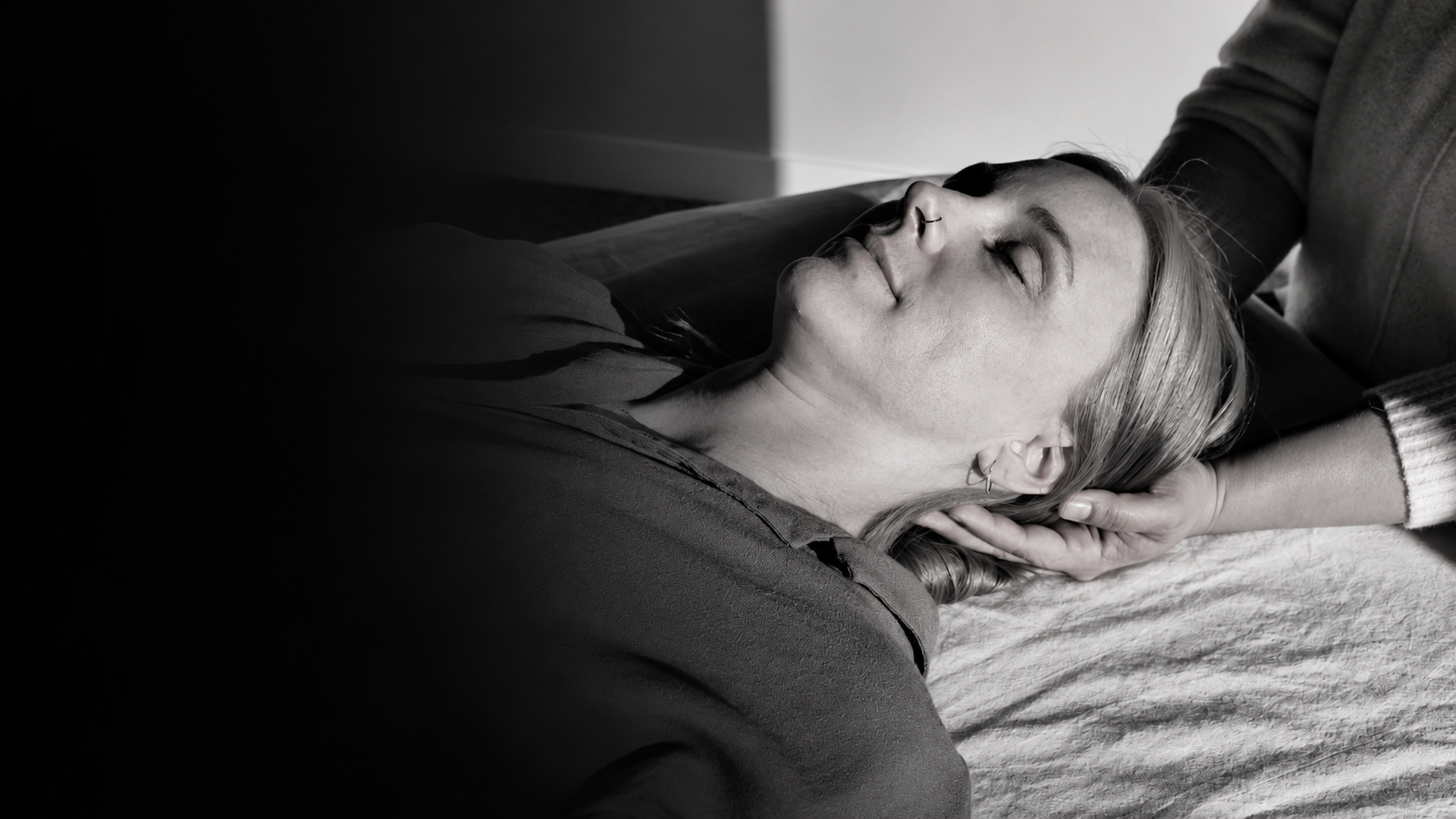
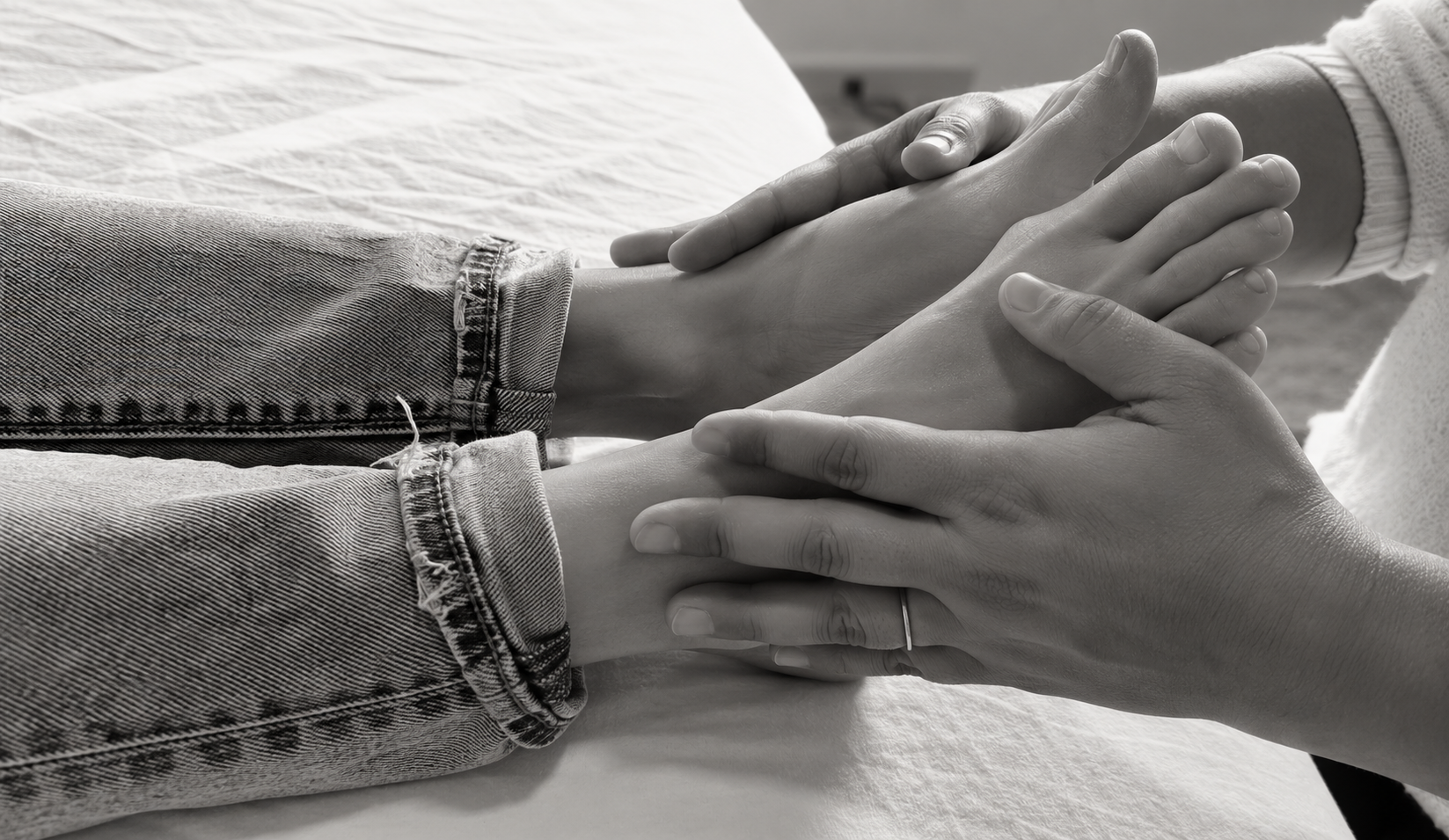
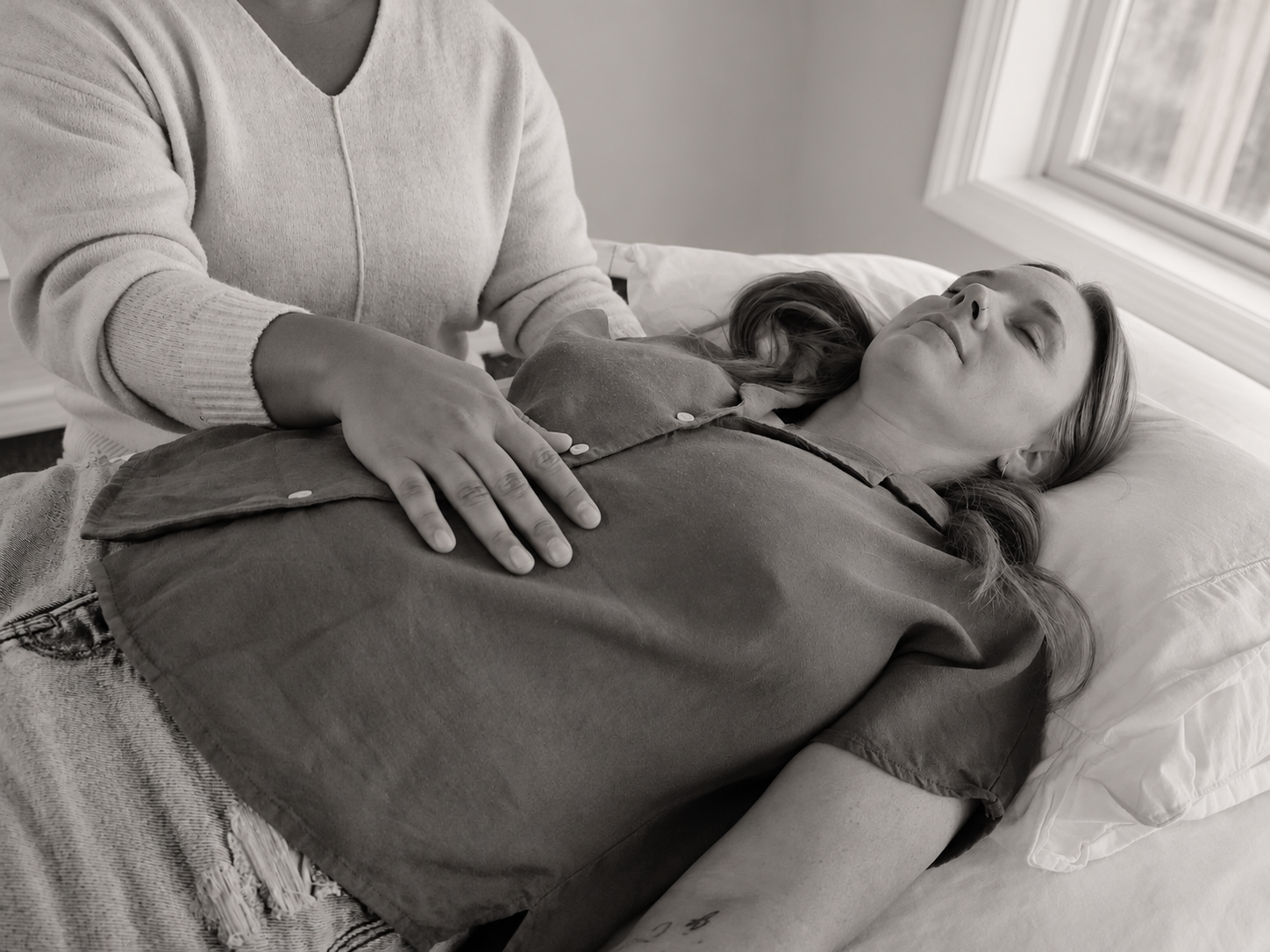
Sessions are fully clothed and involve light, attentive contact to areas such as the feet, knees, sacrum, spine, shoulders, neck and head.
SO... WHAT AM I ACTUALLY FEELING FOR?
I’m listening.
I’m noticing where there’s movement and where there isn’t. How the tissues feel under my hands. What changes when I stay with an area for a while and how one part of the body responds to another.
Sometimes the change is subtle — a breath shifts, a shoulder drops, the jaw softens or there’s a little more movement through the spine or pelvis. Other times, not much seems to happen at all.
I’m not trying to make any of those things happen.
I’m paying attention to what happens next...
THE BODY ALREADY KNOWS.
Think about a cut.
A surgeon can make an incision, move through layers of tissue, repair what needs repairing, stitch you back together — and then send you home.
Why?
Because we take for granted that your body knows what to do next.
No one has to tell the cells how to organize, the tissues how to knit back together, or the nervous system how to adapt. Your body gets to work repairing, reorganizing and finding its way forward.
That intelligence is there all the time.
WHY BIODYNAMIC?
Working with your whole system.
I practice Biodynamic Craniosacral Therapy, an approach with roots in osteopathic cranial work and a whole-body view of anatomy.
While the name draws our attention to the cranium and sacrum, the work considers the relationships between the nervous system, membranes, cerebrospinal fluid and the fascial network that extends throughout the body.
Fascia surrounds and connects muscles, bones, nerves, blood vessels and organs, creating continuity from one region of the body to another. It’s one of the reasons something happening in one area can be felt somewhere else entirely.
WHAT MIGHT I EXPERIENCE?
Everyone’s experience is different.
During a session you might notice changes in your breathing, shifts in temperature, subtle movement, tingling, a sense of heaviness or lightness, or areas of your body beginning to soften.
Sometimes there’s an emotional response. Sometimes you feel deeply settled. And sometimes you’re lying there wondering if anything is happening at all.
There’s no “right” way to experience a session.
What you notice — or don’t notice — is simply part of the experience.
YOU DON'T NEED TO UNDERSTAND ALL OF THIS BEFORE YOU COME IN.
You may be coming because something hurts, because your nervous system feels like it never quite switches off, because you’re recovering from an injury or surgery, or simply because something in your body hasn’t felt right for a while.
Craniosacral Therapy gives me a way of listening to those patterns through the body rather than looking only at the place where a symptom shows up.
The work is gentle and the changes can be subtle. Sometimes you notice less tension or pain, easier movement, a clearer mind or that you simply don’t feel as overwhelmed.
I often tell people that feeling more normal can be difficult to notice — because normal just feels normal. Sometimes it’s only afterwards that you realize something feels easier than it did before.
So you bring the body you’re living in.
And I’ll bring the anatomy, the training and the hands-on listening.
We start there.